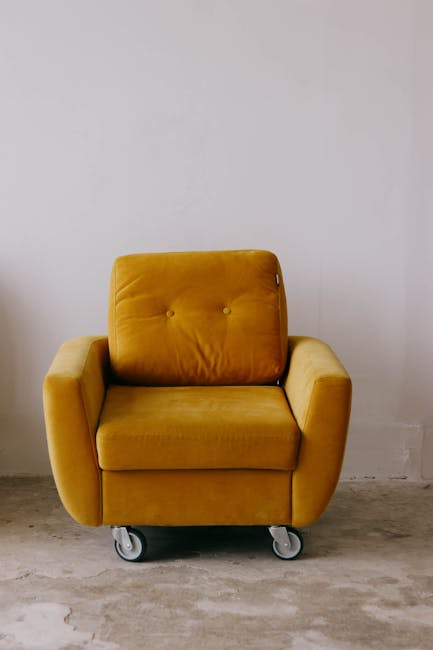
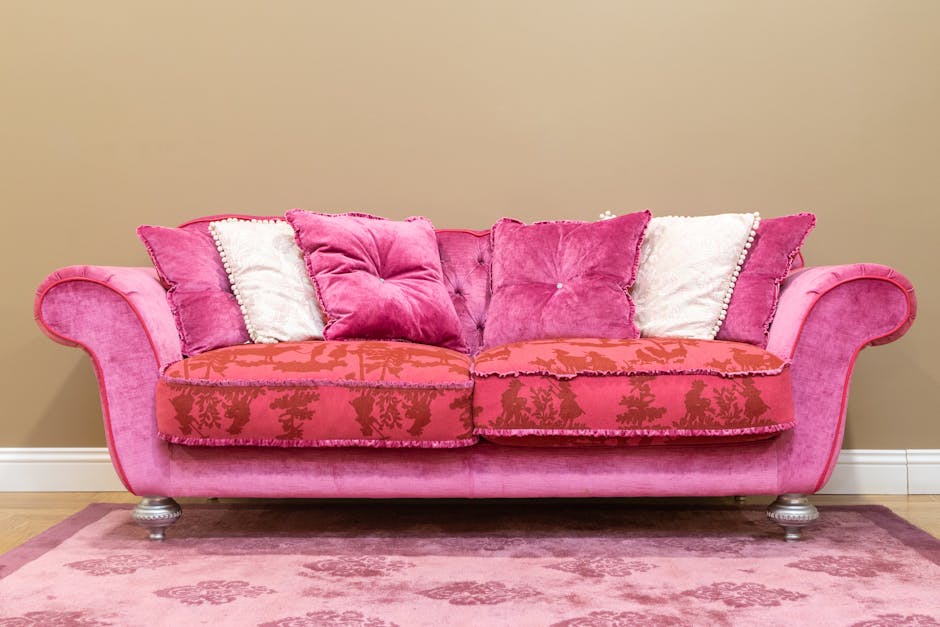
SW6 upholstery cleaning guide for Fulham Road homes
If you live near Fulham Road, you already know how quickly a well-used sofa, armchair, or dining chair can lose its fresh look. One muddy afternoon, a bit of coffee, a pet visit, or just the general pace of London life, and suddenly the fabric starts to look tired. This SW6 upholstery cleaning guide for Fulham Road homes walks you through what matters, how professional cleaning usually works, and how to choose the right approach for your furniture without making the common mistakes that can shorten its life.
To be fair, upholstery is one of those things people often ignore until a stain becomes impossible to ignore. But good cleaning is not just about appearances. It helps fabrics feel fresher, removes odours, and can make a room more pleasant day to day. If you want a clear, practical guide with a local Fulham perspective, you are in the right place.
Contents
- Why SW6 upholstery cleaning guide for Fulham Road homes Matters
- How SW6 upholstery cleaning guide for Fulham Road homes Works
- Key Benefits and Practical Advantages
- Who This Is For and When It Makes Sense
- Step-by-Step Guidance
- Expert Tips for Better Results
- Common Mistakes to Avoid
- Tools, Resources and Recommendations
- Law, Compliance, Standards, or Best Practice
- Options, Methods, or Comparison Table
- Case Study or Real-World Example
- Practical Checklist
- Conclusion
- Frequently Asked Questions
Why SW6 upholstery cleaning guide for Fulham Road homes Matters
Upholstery picks up more than most people realise. Dust, skin oils, crumbs, drink spills, pet dander, and everyday wear settle into fibres over time. On Fulham Road, where homes often juggle busy family life, guests, pets, and limited time for deep cleaning, upholstery can become the soft furnishing that quietly takes the hit.
There is also the local factor. SW6 homes often have mixed interiors: classic period rooms, compact flats, modern apartments, and family spaces that need furniture to work hard. That means the cleaning method has to suit the fabric, the age of the item, and the amount of use it gets. A velvet chair in a formal sitting room needs a gentler touch than a hard-working three-seater sofa in the main living space. Obvious, maybe, but people still get caught out by treating every fabric the same.
Good upholstery care matters because the wrong cleaning approach can cause shrinkage, rings, colour bleed, fibre distortion, or lingering dampness. And once that happens, the repair bill can be worse than the cleaning bill. You do not want that kind of surprise on a Friday evening.
If you are already comparing cleaning options across the wider home, it can help to understand how professional upholstery cleaning sits alongside other textile care like sofa cleaning, rug cleaning, and curtain cleaning. The better your overall fabric care plan, the easier it is to keep the room feeling balanced and genuinely clean.
Expert summary: In SW6 homes, upholstery cleaning is less about quick surface refreshes and more about choosing the right method for the fabric, the stain, and the room. A careful approach protects the furniture and saves money in the long run.
How SW6 upholstery cleaning guide for Fulham Road homes Works
In practical terms, upholstery cleaning is a process of loosening dirt from fabric, drawing it out safely, and then drying the item correctly so it keeps its shape and finish. The exact method depends on the material. Cotton, wool blends, linen, synthetic fabrics, velvet, leather, and mixed upholstery all behave differently. And yes, they can be surprisingly fussy.
A proper cleaning process normally starts with identification. The cleaner needs to check the care label or assess the fabric type, then look at the item's condition. Is there a stain? Is the sofa structurally sound? Are the cushions removable? Has the fabric faded unevenly already? These details change the plan.
For many domestic fabrics, a low-moisture or hot-water extraction approach may be suitable, but that does not mean every piece can handle it. Some items need specialist solvent-based treatment or extra cautious spot work. If the furniture has delicate fibres or dye sensitivity, the first test is usually done in a hidden area. Sensible, really.
The process often includes:
- inspection of fabric type and wear
- vacuuming to remove loose debris
- pre-treatment of spots and traffic areas
- careful cleaning with the correct technique
- odour and residue removal where needed
- controlled drying and final grooming
At home, people sometimes assume upholstery cleaning is just "spray and scrub." It is not. Over-wetting can push dirt deeper, damage backing material, and leave a sour smell that is worse than the original issue. If you have ever sat down on a sofa that still feels clammy the next morning, you will know exactly what that means.
Key Benefits and Practical Advantages
There are obvious benefits to clean upholstery, but a few are easy to underestimate. First, the room looks better straight away. Clean fabric makes everything else feel tidier, even if the coffee table is still covered in the usual bits and bobs. That visual lift matters in a home where the living room does a lot of heavy lifting.
Second, proper cleaning can improve comfort. A sofa that has collected dust and oils over time often feels stale, even when it looks fine from a distance. Once cleaned, the fabric can feel fresher under your hand and less heavy in the air. It is a small thing, but a real one.
Third, regular upkeep can help protect your furniture investment. Good upholstery is not cheap, especially when you choose quality frames and fabrics. Cleaning at sensible intervals can slow down the wear pattern, reduce embedded dirt, and help keep fibres looking more even.
There are also practical family benefits:
- reduced visible staining from drinks and food
- less trapped dust in heavily used seating
- better support for allergy-conscious households
- less lingering pet odour on soft furnishings
- neater presentation when guests drop by unexpectedly
If your home includes pets or children, the value is even clearer. Crumbs happen. Paw prints happen. Sticky fingers happen. The good news is that a thoughtful cleaning routine can keep those moments from becoming permanent reminders on the armrest.
Who This Is For and When It Makes Sense
This guide is useful for anyone living in SW6, but it is especially relevant if your home has one or more of the following:
- a sofa or armchair used every day
- light-coloured fabric that shows marks quickly
- older furniture you want to preserve
- pets that sit on the furniture as if they paid for it
- children, frequent visitors, or busy family routines
- spills that have sat for more than a day or two
- odours from food, smoke, moisture, or pets
It also makes sense if you are preparing a home for sale, tenancy changeover, or seasonal refresh. Spring and early autumn are common times people finally look at the sofa and think, "Right, that needs doing." Fair enough. By then, the fabric usually agrees.
Commercial and home lifestyles can blend too. Some Fulham Road properties double as home offices or receive regular visitors. In those cases, cleaner upholstery helps present the home well without needing a full room overhaul. If you want a broader fabric plan, you might also look at stain removal for targeted problem areas before arranging a full clean.
Step-by-Step Guidance
Here is a sensible, home-friendly process to follow before and during upholstery cleaning. It will not solve every problem, but it will help you avoid the usual mistakes.
- Check the care label. Look for the manufacturer's cleaning code if it is available. That small label can save you from a big headache.
- Test in a hidden area. If you are cleaning anything yourself, test a discreet patch first. Armrests and back corners are often good places to check for colour response.
- Vacuum thoroughly. Use a suitable upholstery attachment and get into seams, tufts, and cushion edges. Dry soil should come out before any moisture enters the picture.
- Treat spots carefully. Dab, do not rub. Rubbing can spread the stain and roughen the fabric pile. It sounds simple, but this is where many people go wrong.
- Use the correct cleaning method. Match the approach to the material. A synthetic sofa may tolerate one method, while a delicate weave may need something gentler.
- Control moisture. Use only the amount needed. Too much water means longer drying times and a higher risk of water marks.
- Dry the item properly. Open windows if conditions allow, keep air moving, and avoid using the furniture until it is fully dry.
- Finish by grooming the fabric. Light brushing or pile restoration can improve the final look, especially on velvet or textured textiles.
That last step is often forgotten. It matters more than people think, because a freshly cleaned fabric can still look flat if it has not been lifted back into shape. A quick groom makes the whole result feel more finished.
Expert Tips for Better Results
Here are the details that usually separate a decent result from a really good one.
Start with the driest cleaning possible. If crumbs, pet hair, or dust are sitting on the fabric, remove them first. Moisture and loose debris together create a muddy mess, which is nobody's idea of progress.
Work from the outside of a stain inward. This helps prevent the mark from spreading. It is a small technique, but useful.
Be careful with water rings. If an item has already been spot cleaned badly, a larger even clean may be needed to reduce the outline. Spot treatments can sometimes leave the very thing you were trying to avoid.
Think about airflow. A bright, breezy room on a mild day will dry faster than a closed room with poor ventilation. In London homes, especially the ones that stay shut during the day, drying conditions can be a bit unpredictable.
Rotate cushions where possible. If the sofa design allows it, swapping cushion positions helps wear even out. It will not fix everything, but it does help.
Do not overdo fragrance. A heavily scented spray may mask a smell for a few hours, but it does not clean the fabric. Truth be told, strong perfume on a sofa can feel a bit suspicious anyway.
Use professional help for unknown fabrics. If the label is missing or the textile is mixed and delicate, it is safer to avoid guesswork. That is one area where being cautious pays off.
Common Mistakes to Avoid
Upholstery can handle a lot, but not everything. A few common errors cause most of the avoidable damage.
- Using too much water. This can lead to slow drying, odour, and fibre distortion.
- Scrubbing aggressively. It pushes stains deeper and can fuzz the fabric surface.
- Ignoring the fabric type. Different textiles need different methods. Always.
- Cleaning only the visible spot. That often leaves rings and patchy colour changes.
- Forgetting to vacuum first. Loose dust turns into grime once it gets wet.
- Using household cleaners blindly. Many are too strong for upholstery and may leave residue or colour damage.
- Sitting on the furniture too soon. Damp fabric attracts new dirt and may compress before it has reset properly.
One less obvious mistake is trying to make the sofa look perfect with repeated quick fixes. The result can be a patchwork of treated spots that are more visible than the original stain. Sometimes less is more, annoyingly enough.
Tools, Resources and Recommendations
For routine home care, a small but sensible kit is usually enough. You do not need a storage cupboard full of gadgets. What you do need is the right few things used properly.
- a vacuum cleaner with an upholstery attachment
- a soft brush or grooming brush for finishing
- clean white cloths for blotting
- a mild fabric-safe spot treatment, used cautiously
- a fan or good natural ventilation for drying
- protective covers or throws for high-traffic seats
If you are planning more than one fabric refresh, it can be efficient to group the job. For example, many households arrange upholstery work alongside carpet cleaning so the whole living area feels consistently fresh, not just the sofa in isolation. Others add mattress cleaning at the same time, especially if they are trying to improve the overall bedroom and living environment in one go.
When comparing service providers, ask clear questions about fabric checks, drying expectations, stain handling, and aftercare. If someone answers vaguely, that is useful information too.
Law, Compliance, Standards, or Best Practice
For household upholstery cleaning, the main compliance point is not a complicated legal rulebook. It is safe practice, honest assessment, and care with chemicals and equipment. In a UK home setting, that usually means following product instructions carefully, respecting the furniture manufacturer's guidance where available, and making sure anything used is appropriate for indoor residential cleaning.
For professional cleaning, sensible best practice includes risk-aware use of cleaning agents, good drying control, and clear communication about limitations. Some fabrics cannot be safely restored to a like-new condition, and no trustworthy cleaner should promise that. If a fabric has sun fade, old dye migration, or structural wear, cleaning can improve it, not magically reverse it. That distinction matters.
It is also sensible to check whether a provider has clear policies on health and safety, insurance and safety, and payment and security. Those pages help show how the business handles practical trust issues, which, let's face it, matter just as much as the cleaning itself.
If waste handling or environmental care is important to you, look for clear information on recycling and sustainability. It is a good sign when a company thinks beyond the immediate clean and into how it operates overall.
Options, Methods, or Comparison Table
There is no single perfect method for every item. The right choice depends on fabric type, soiling, stain age, and how quickly the furniture needs to be back in use.
| Method | Best for | Advantages | Watch outs |
|---|---|---|---|
| Dry vacuum and light maintenance | Routine care and dust control | Fast, low-risk, useful between deeper cleans | Will not remove embedded stains or odours |
| Spot treatment | Fresh marks and isolated stains | Targets a specific problem area | Can leave rings if handled badly |
| Low-moisture cleaning | Many domestic fabrics and regular-use furniture | Balances cleaning power with quicker drying | Still needs careful fabric assessment |
| Hot-water extraction | Compatible durable fabrics with heavier soiling | Can remove deep dirt effectively | Too much moisture can create drying issues |
| Specialist treatment | Delicate, mixed, or problem fabrics | More tailored to the material | Usually requires professional judgement |
If you are choosing between sofa-specific care and a broader upholstery service, the practical difference is usually scope. A sofa cleaning appointment may be ideal for your main seating, while a more general upholstery service can cover chairs, stools, and other upholstered pieces too. That can be handy in homes where the dining chairs look worse than the sofa. Happens more often than people admit.
Case Study or Real-World Example
Imagine a Fulham Road flat with a pale fabric sofa in the sitting room, two dining chairs in regular use, and a pet that treats the arm of the sofa as a lookout post. The owner notices a faint odour, a couple of tea marks, and one dark patch where the dog usually curls up. Nothing dramatic, but enough to make the furniture feel a bit dull.
The sensible approach would be to inspect the fabric first, vacuum thoroughly, test a small hidden area, and then decide whether a light clean or a deeper method is suitable. The stain on the arm would need careful pre-treatment, while the dining chairs might only need a gentler refresh. The pet area would probably need odour-focused attention, not just surface cleaning. In that kind of situation, a service that includes pet stain and odour removal can be especially useful.
The result, when handled properly, is usually not "brand new" but noticeably fresher, brighter, and easier to live with. That is the realistic expectation. And honestly, it is often enough to make the whole room feel like itself again.
Practical Checklist
Use this checklist before arranging or carrying out upholstery cleaning in your SW6 home.
- Check the care label or manufacturer guidance
- Identify the fabric type if the label is missing
- Vacuum cushions, seams, and edges first
- Look for old stains, colour loss, or damage
- Test any product in a hidden spot
- Keep moisture controlled and even
- Allow enough drying time before use
- Open windows or improve airflow where possible
- Avoid harsh scrubbing or overuse of product
- Review whether the item needs specialist treatment
Simple rule: if you are not sure what the fabric is, slow down. Guessing is expensive.
Conclusion
Upholstery cleaning in Fulham Road homes is really about making smart choices for the furniture you already own. The best results come from understanding the fabric, respecting the limits of each material, and avoiding the heavy-handed "I'll just give it a go" approach that causes more harm than good.
Whether you are freshening a family sofa, sorting out pet odours, or preparing a room for guests, the right cleaning plan can make your home feel calmer and more comfortable. Not flashy. Just genuinely better. And sometimes that is exactly what you want.
If you want to explore the wider service options and plan the right approach for your home, it can help to review the available upholstery cleaning information and related fabric care services before you book anything. A little preparation goes a long way.
Get a free quote today and see how much you can save.
Frequently Asked Questions
How often should upholstery be cleaned in a Fulham Road home?
It depends on use. A heavily used sofa in a family living room may need attention more often than a formal chair that is rarely sat on. Most homes benefit from regular vacuuming and deeper cleaning when the fabric starts to look dull, feel sticky, or hold odours.
Can I clean upholstery myself?
Yes, for light maintenance and small fresh spills, careful DIY cleaning can be fine. The key is to know the fabric type and avoid over-wetting. If the item is delicate, expensive, or badly stained, professional help is usually the safer route.
What is the safest way to remove a fresh spill from a sofa?
Blot it gently with a clean white cloth, working from the outside in. Do not rub. Rubbing spreads the spill and can damage the fibres. After blotting, use only a fabric-appropriate treatment if the care label allows it.
Why does my sofa smell after cleaning?
That usually happens when too much moisture has been used or the item has not dried fully. Poor ventilation can make it worse. The smell may fade with good airflow, but if it lingers, the clean may not have been balanced correctly.
Is steam cleaning suitable for all upholstery?
No. Steam or hot-water extraction can work well on some durable fabrics, but it is not suitable for everything. Delicate textiles, some blends, and items with sensitive dyes may need a different method. Fabric checks come first, always.
How long does upholstery take to dry?
Drying time varies based on fabric, room ventilation, temperature, and how much moisture was used. Some items dry fairly quickly, while others take longer. The safest answer is to wait until the fabric feels fully dry before using it again.
Can upholstery cleaning remove old stains?
Sometimes, yes, but not always completely. Older stains can set into fibres or affect the dye. A professional cleaner may improve their appearance significantly, though no one should promise a perfect result on every mark.
Will upholstery cleaning remove pet odours?
It can, especially when the odour is coming from surface soiling or trapped residue. Deeper pet issues may need targeted treatment. If pets are part of daily life, look for cleaning that specifically addresses stains and odours rather than just surface freshness.
Should I clean the sofa or the carpet first?
In many homes, it makes sense to clean both during the same visit or project so the room feels consistently refreshed. If you are only doing one first, start with the item that has the most visible soil or odour, or the one that will be hardest to live with for another week.
How do I know if my furniture needs professional upholstery cleaning?
If the fabric looks flat, holds smells, has visible staining, or no longer feels fresh after routine vacuuming, it is probably time. Missing care labels, delicate materials, and mixed-fabric items are also strong signs that professional assessment would be useful.
Is upholstery cleaning worth it for older furniture?
Often, yes. Older furniture can respond very well to careful cleaning if the fabric is still sound. It may not look new, but it can look and smell much better, which is often enough to extend its useful life comfortably.
What should I ask before booking upholstery cleaning?
Ask what fabric checks are carried out, which cleaning methods are used, how drying is handled, and what happens with stubborn stains or odours. Clear answers show that the approach is thoughtful, not rushed. That matters more than a glossy sales pitch.
Are there any policies I should check before booking a cleaning service?
Yes. It is sensible to review company information on safety, insurance, payment, privacy, and complaints handling. That does not just protect the business; it helps you understand how the service is run and what to expect if something needs attention later.